covid-19 vaccine uptake – southern arizona
Context: As the COVID-19 vaccine rolled out across the US in 2021 and 2022, the Pima County Health Department (PCHD) in Tucson, Arizona noticed that certain groups were far less likely to get vaccinated. One group stood out: pregnant Latinx women between 18–40 had among the lowest vaccination rates in the county and yet were also considered one of the highest-risk groups. Through a health literacy grant from the Office of Minority Health, PCHD partnered with Dalberg Design to understand why, and to co-design new offerings that could improve vaccination rates within this population and improve health literacy more broadly.
Year: 2022
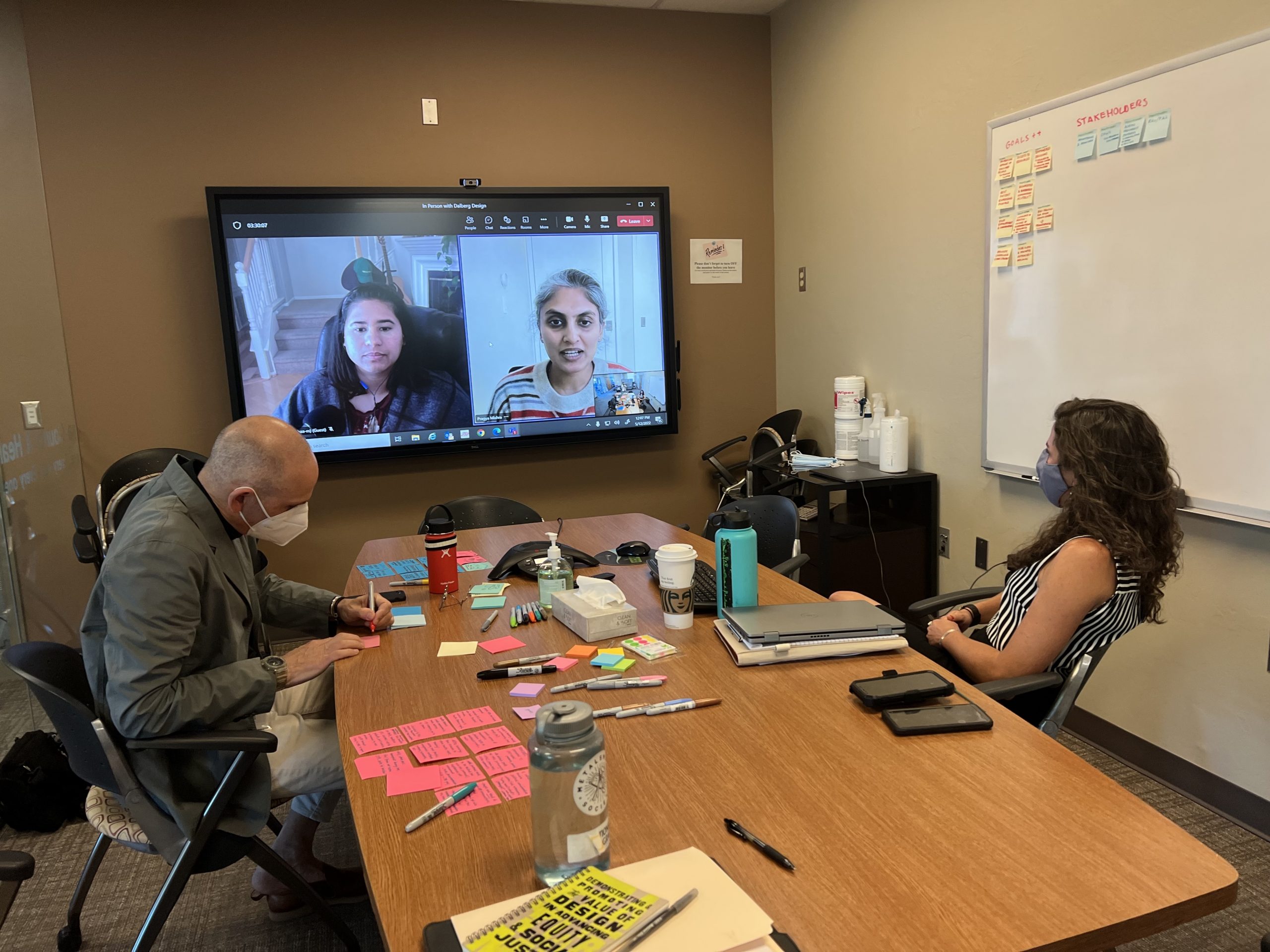
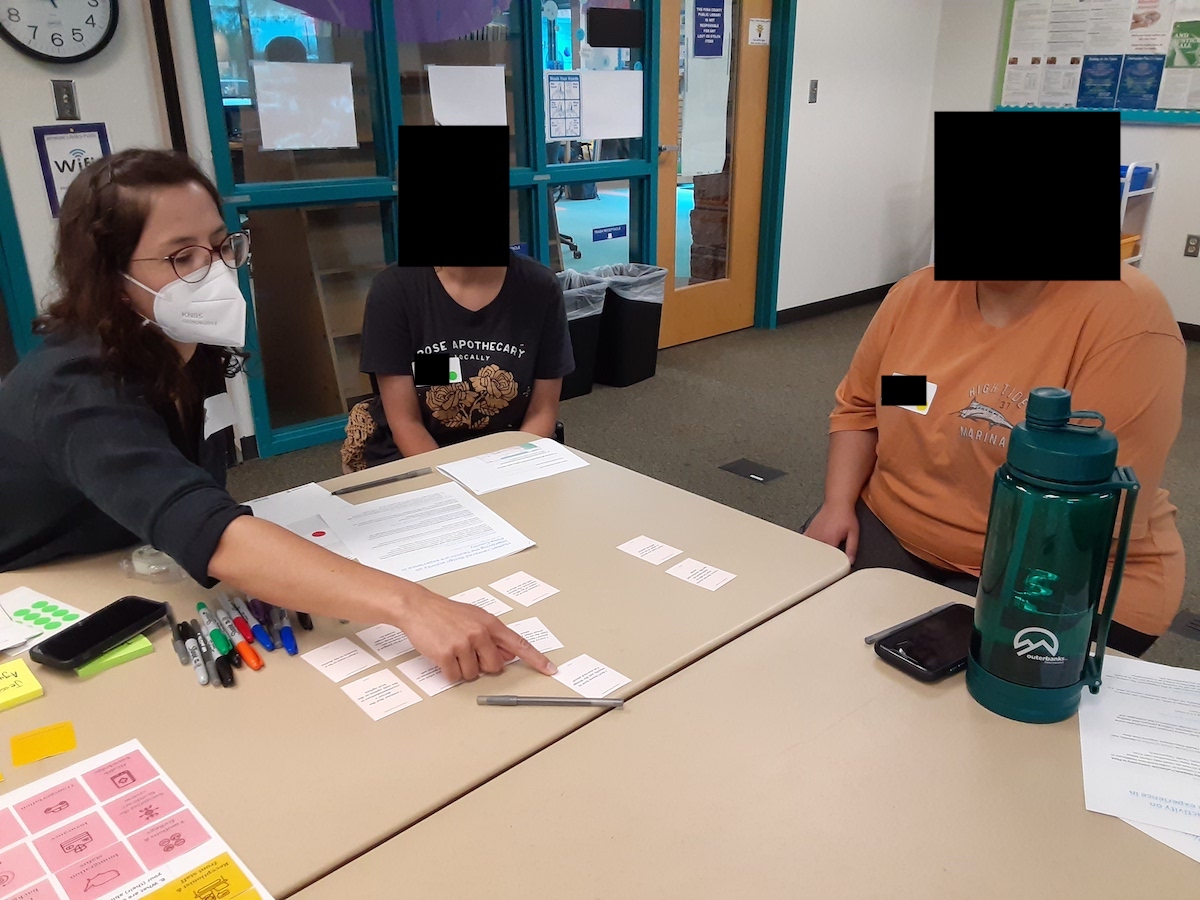
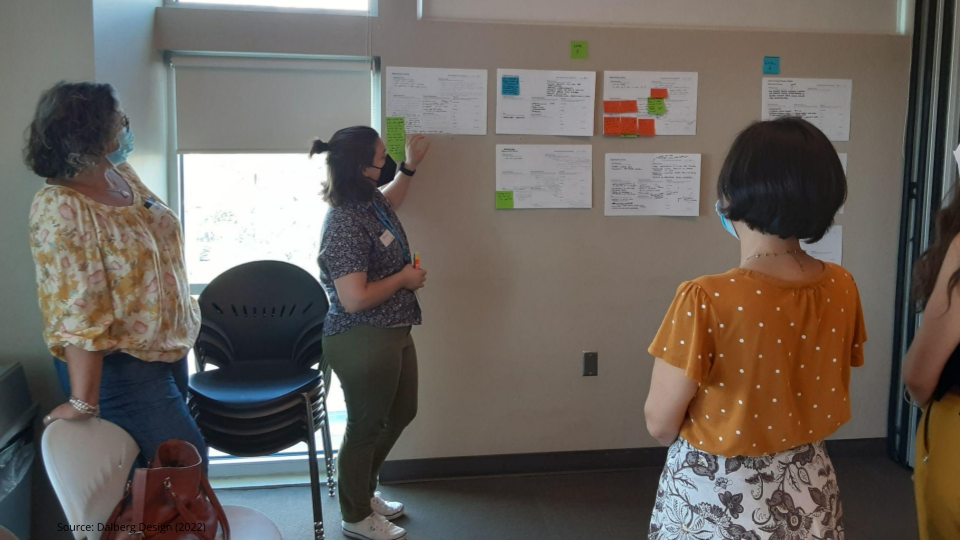
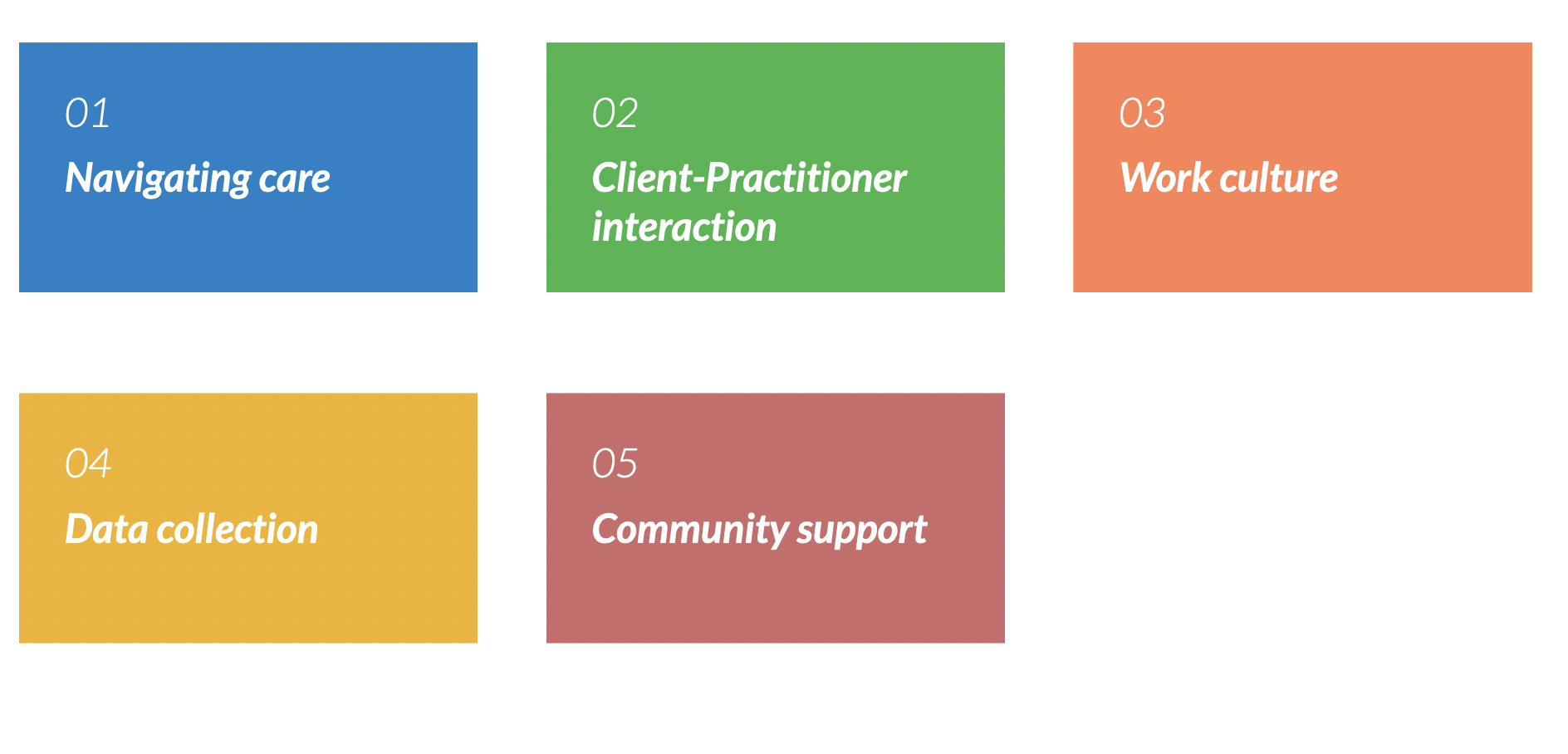
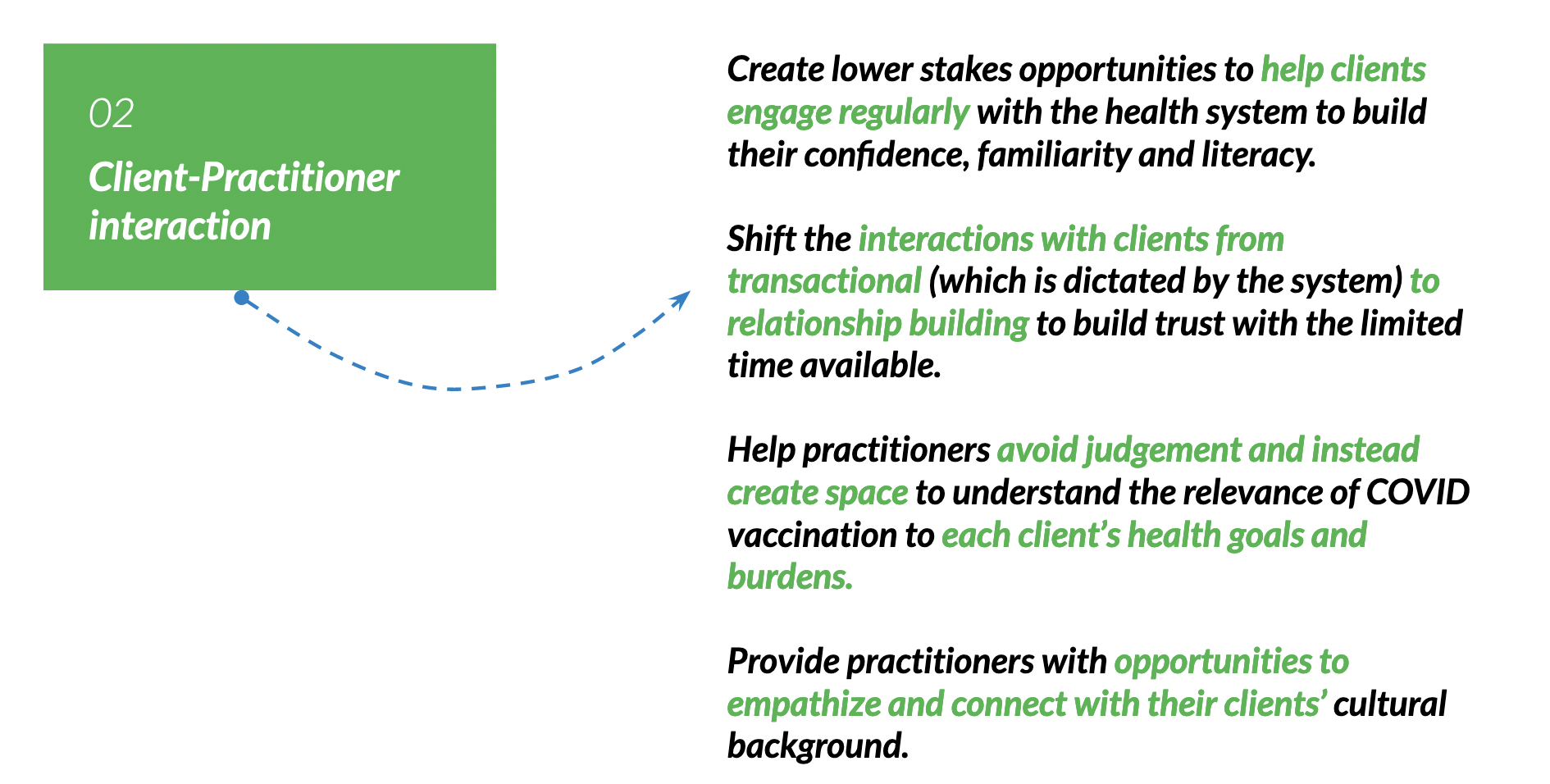
What I Did: I led this project through Dalberg Design, although I rolled off the project about midway to focus on other work. We started with a kickoff workshop alongside PCHD and their community partners, then developed a research plan and began conducting interviews and group sessions with both medical practitioners and community members across Pima County — compensating every participant for their time. Research was a mix of remote and in-person. Findings were synthesized collaboratively, with PCHD, community partners, and community members all at the table. In the end, the team discovered that for this population the problem was far more deeply-rooted than just not getting vaccinated: it came down to a lack of understanding of the American healthcare system, a distrust of an unfamiliar medical establishment at large, and confusion around prioritizing COVID-19 concerns over other concerns such as diabetes, heart health, etc. Armed with this new problem, the team then co-designed a variety of different solutions alongside community members. They explored ideas around built-in support systems, guides, signposts, communication, and other themes crucial to addressing the issue at hand.
What We Made: Together with the community, we co-designed a Promotora system: trained community members – not outside health workers, but neighbors – stationed in clinics and community centers across Pima County to offer individualized support for navigating an often bewildering healthcare system. The insight behind it was simple and human: people are more likely to trust someone who looks like them, lives near them, and speaks their language. The Promotora model put that trust at the center of the design. In 2024, the project was recognized with a runner up Core77 Design Award for Social Impact.