social accountability in health – nigeria
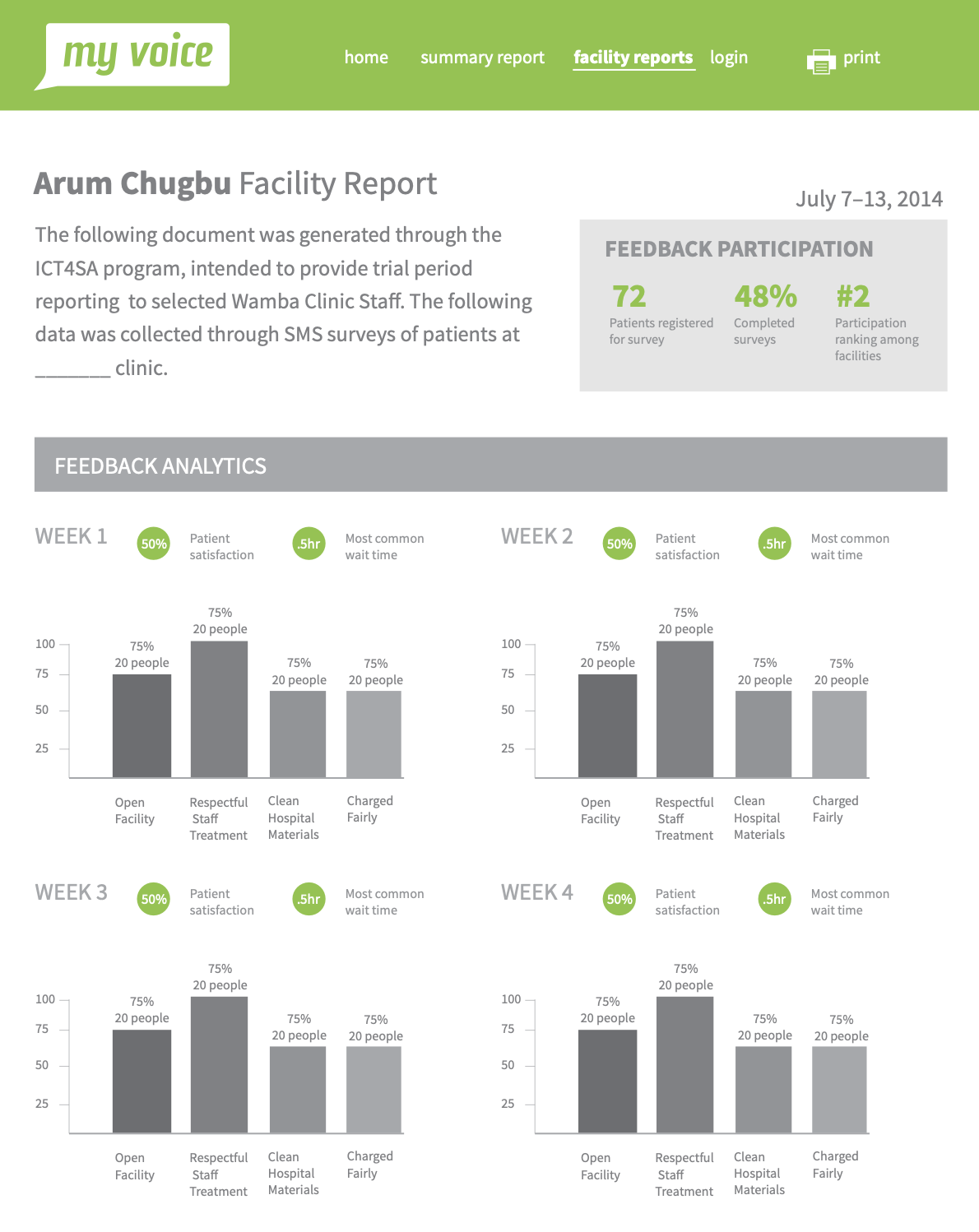
Context: The World Bank – where I worked for several years in the ICT and Innovation unit – offers many types of financing to country governments, including Performance-Based Financing (PBF): funding that’s contingent on recipients meeting agreed-upon standards. In Nigeria, a PBF program for healthcare centers in Nasarawa State measured many things, but not once did it ask patients what they thought of the care they received. The World Bank’s Social Accountability and ICT & Innovation teams, alongside with Reboot, partnered with the Ministry of Health to help address that by building a mobile-based system that would let patients review experiences at their local clinics, with satisfaction scores factoring directly into funding decisions.
Year: 2014-2015
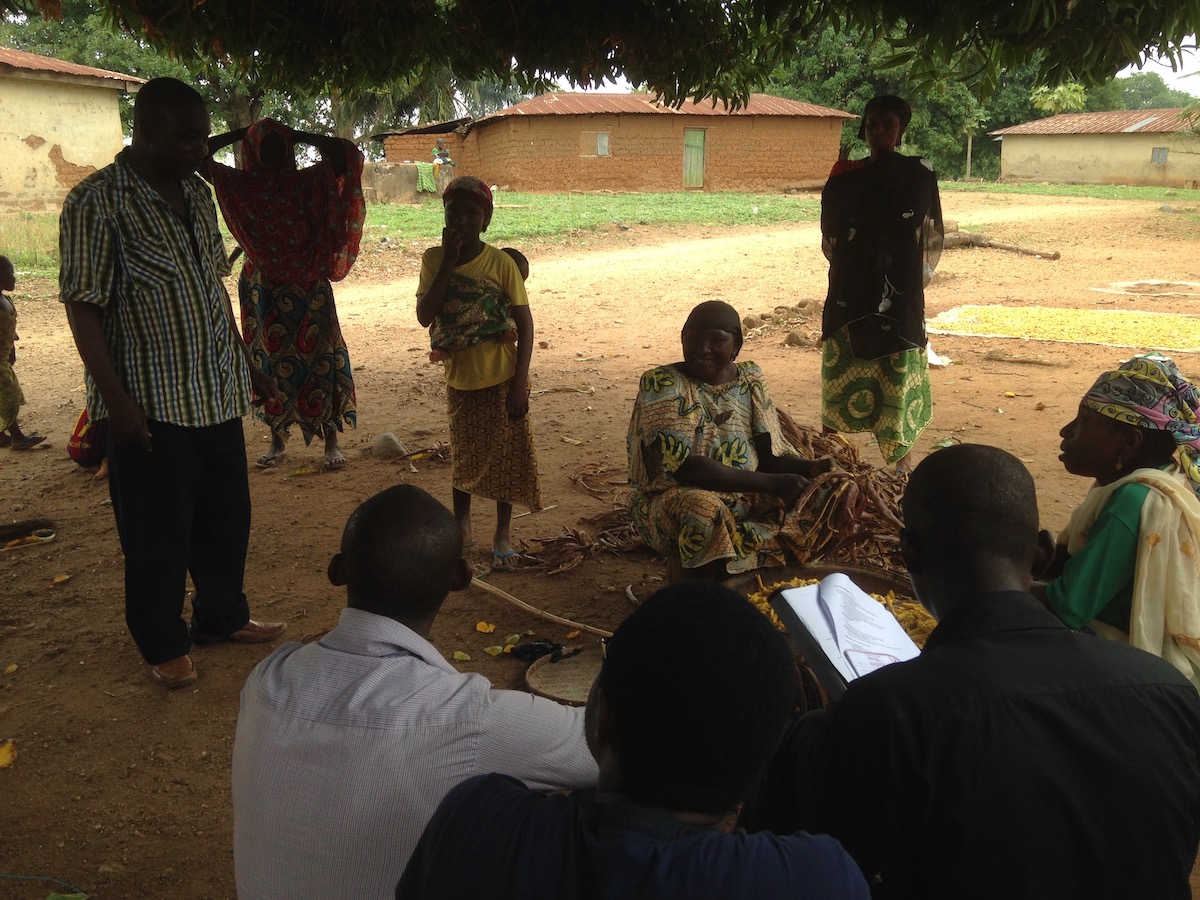
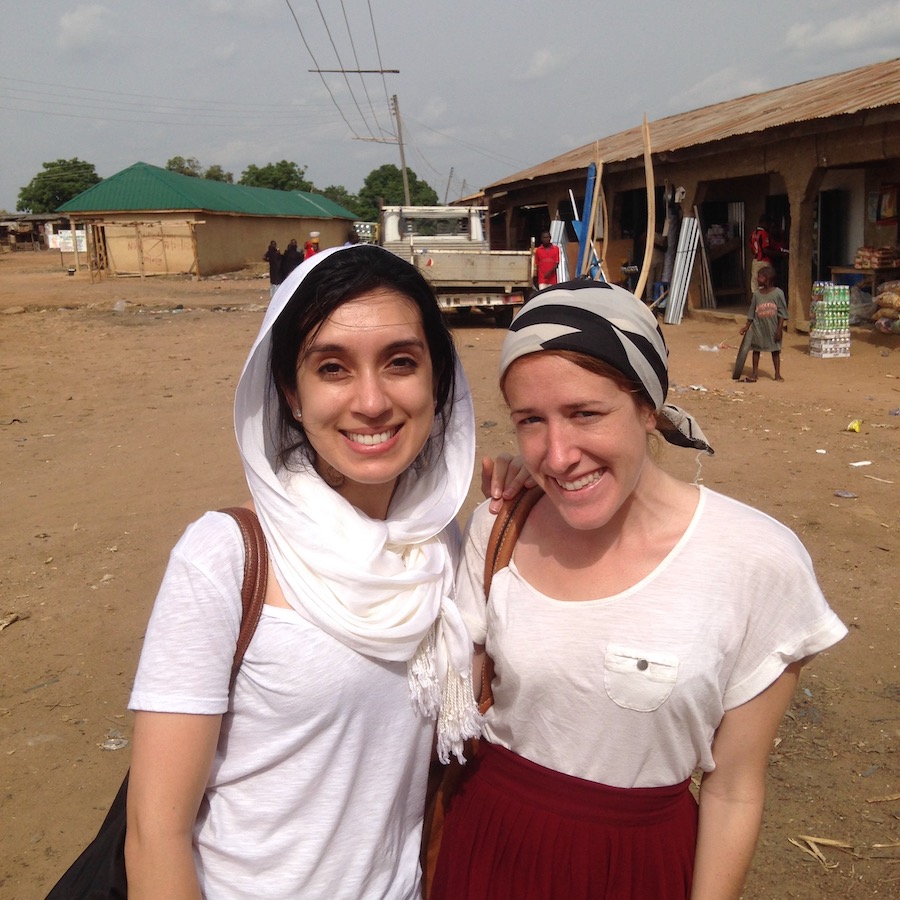
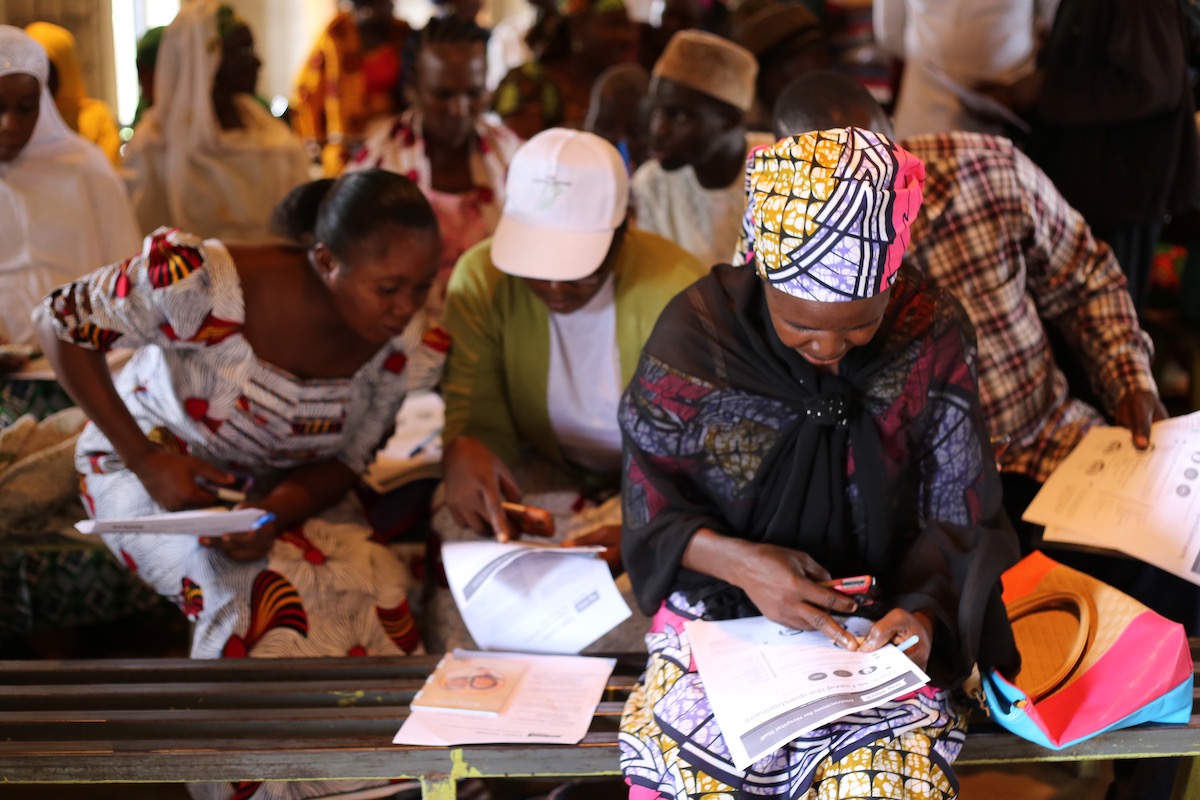
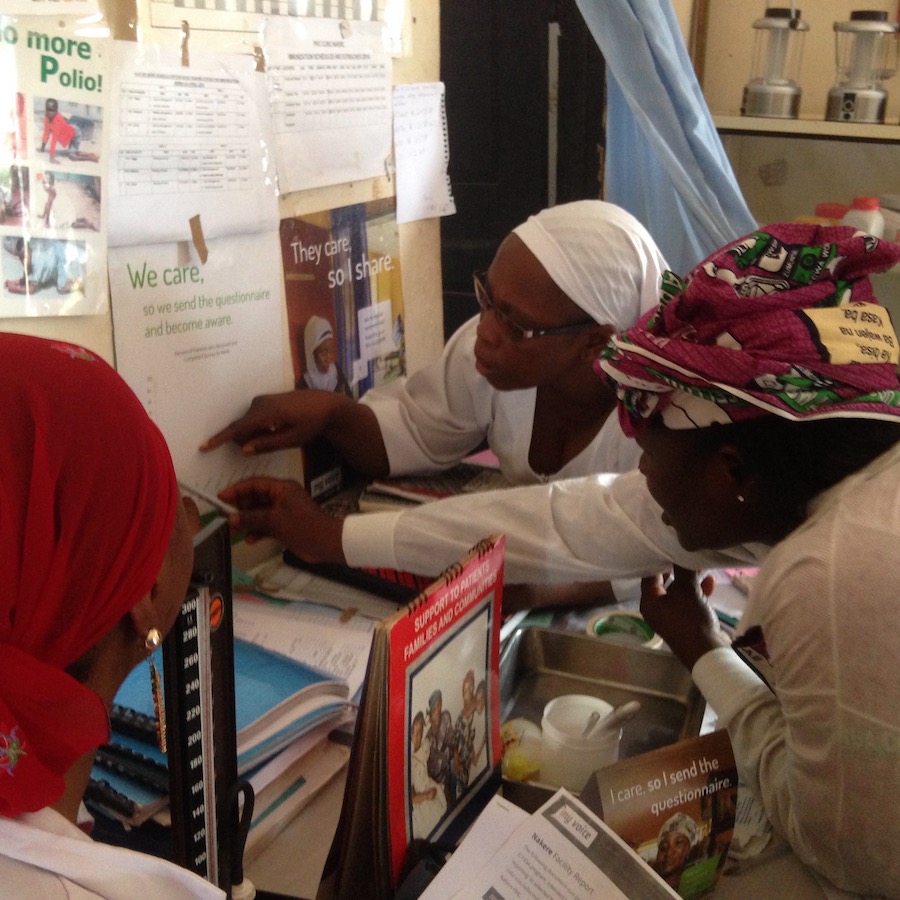
What I Did: I served as technical manager and supporting designer through the World Bank, working closely alongside the Reboot design team. This project took about two years in total – political transitions, procurement delays, and staffing changes all slowed progress – but the team stayed committed to doing it right. Reboot opened a Nigeria office, and I lived in Nigeria during key phases. We spent the early months doing nothing but listening: to Ministry of Health staff, clinic administrators, local community councils, and traditional healers. We mapped power dynamics, understood constraints, and brought everyone’s voice into the design. From there, we co-designed the MyVoice system with these same community members, making sure that they led the way at every stage of its design, and partnered with Caktus Consulting on the software build, which we tested and piloted in the fall of 2014.
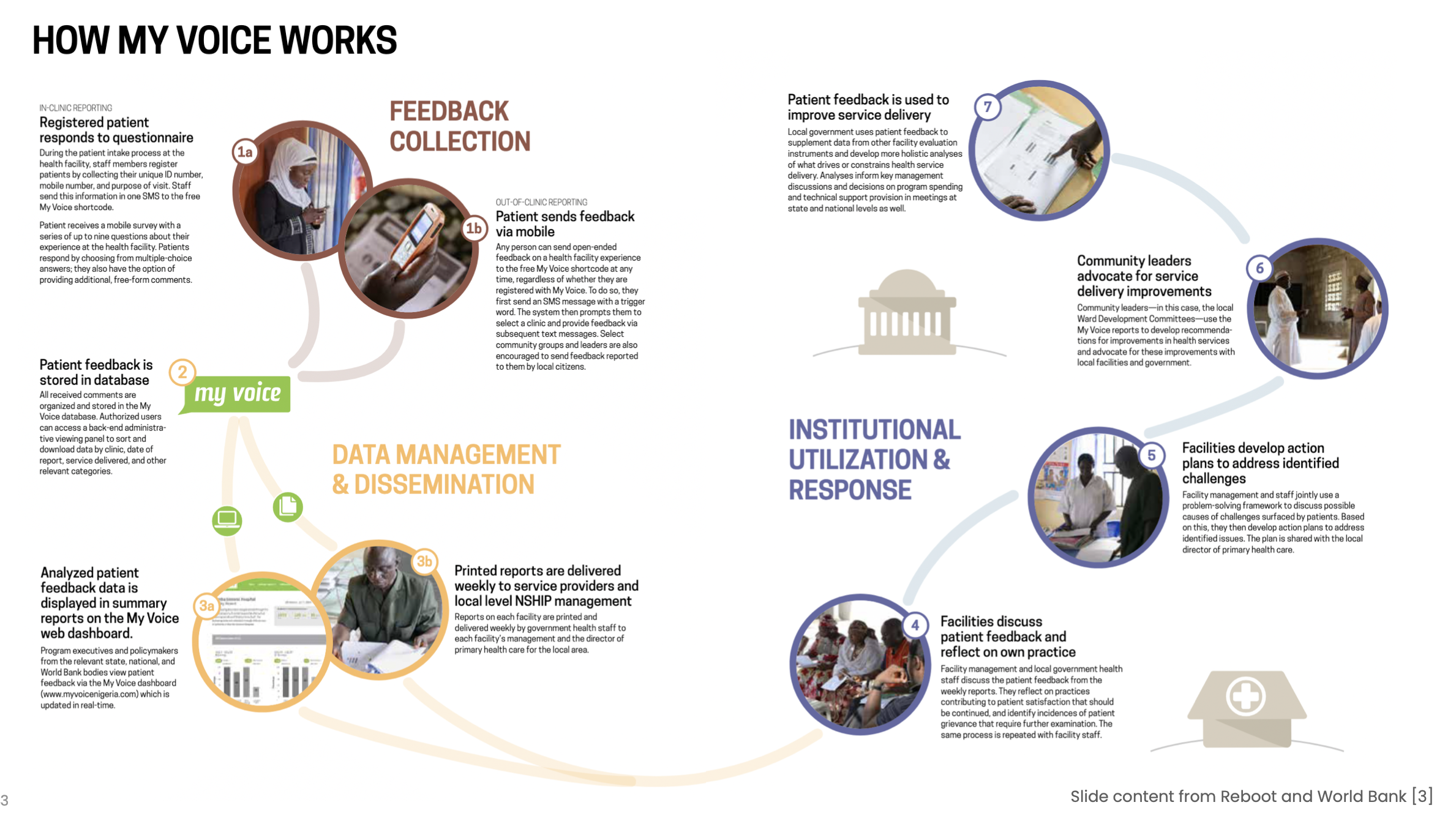
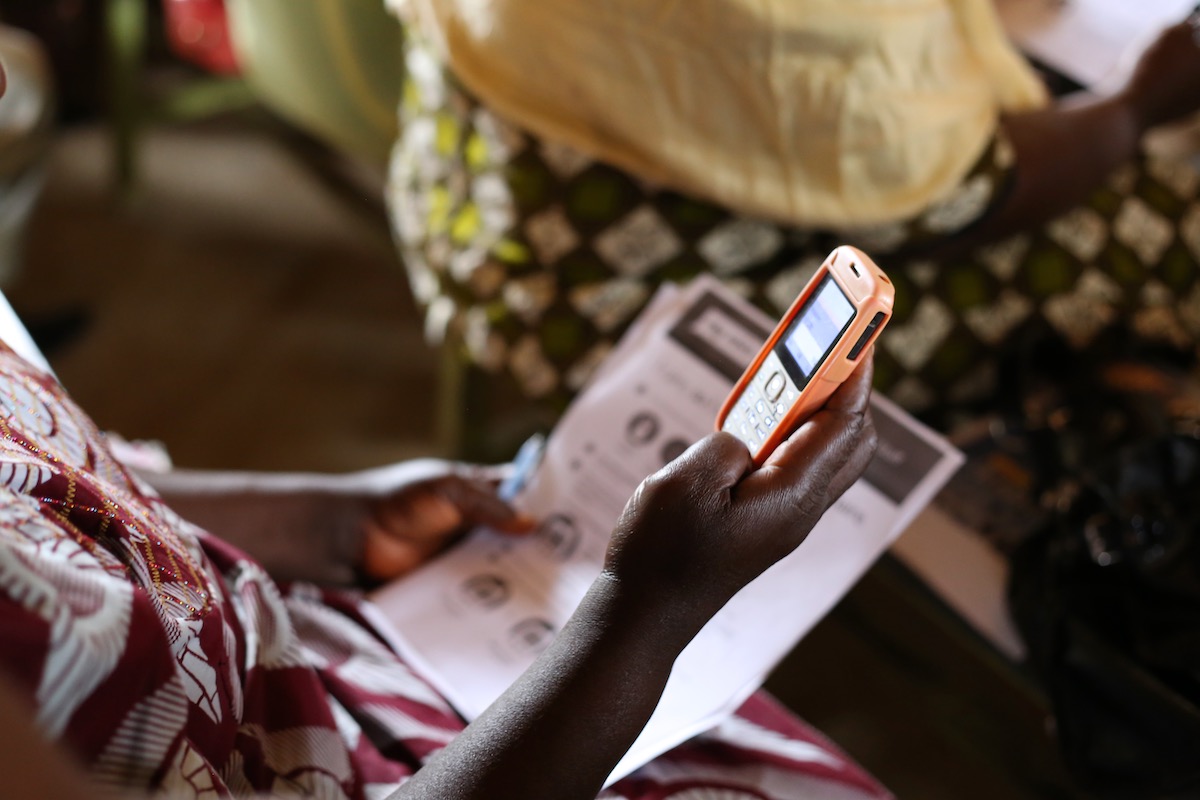
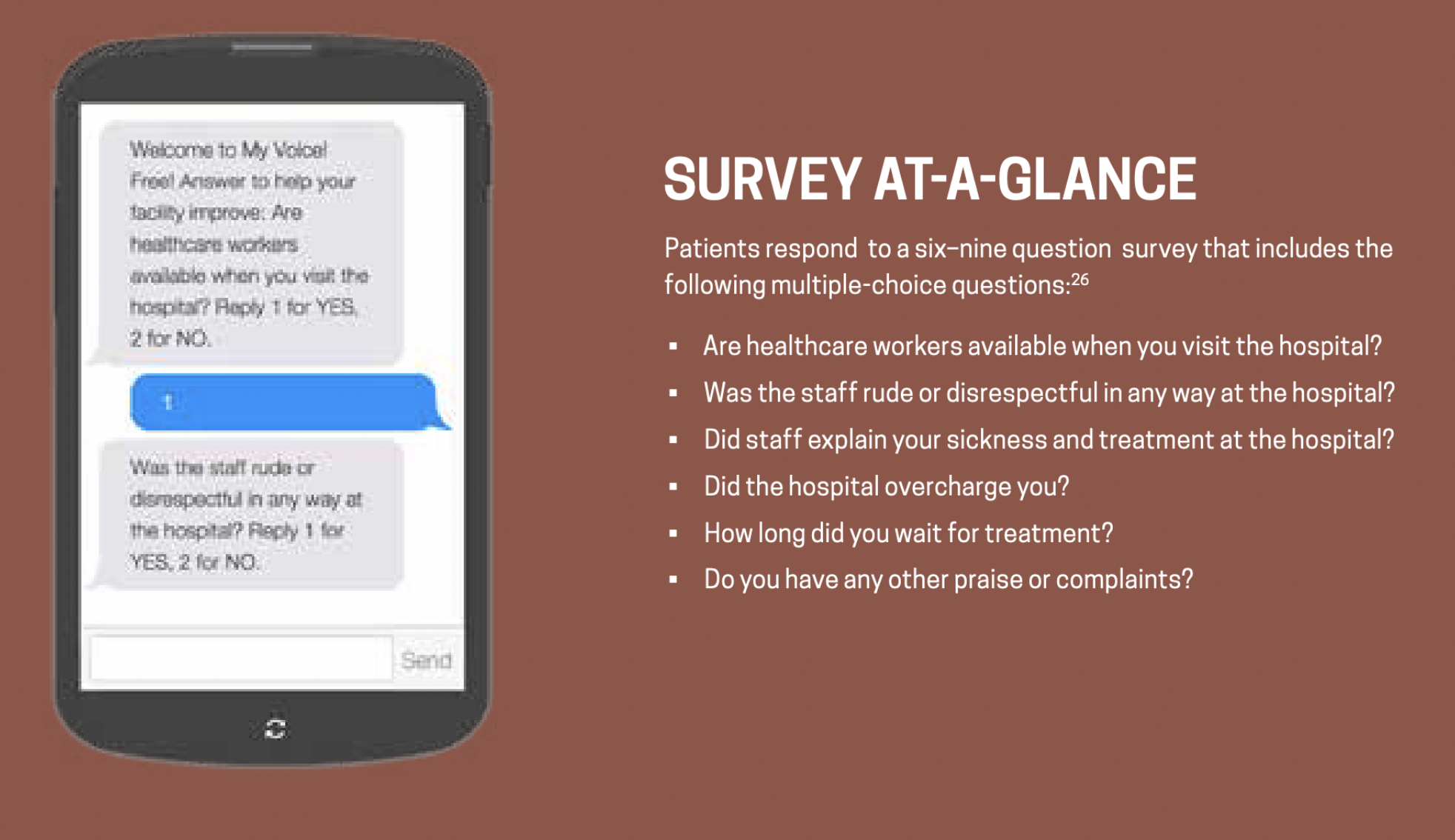
What We Made: MyVoice launched as a pilot in Nasarawa state in August 2014 as an SMS-based patient feedback system that was simple, local, and built entirely around how people in that region actually communicate. After the pilot, it was handed to the Nigerian government for implementation. Reboot published a full project report, now available as an archive. And in 2015, MyVoice won the Core77 Design Award for Social Impact, serving as recognition of what a genuinely collaborative, community-led process can produce.